
So, you’ve invested in a good headlamp. It’s been with you on predawn jogging sessions, illuminated your tent during a rainy camping trip, and maybe even helped you fix that leaky pipe under the sink. It’s become an indispensable tool. But here’s a question: when was the last time you really took care of it?
We treat our headlamps like trusted, silent partners—they just work, until one day, they don’t. The beam dims prematurely. The switch feels gritty. It dies halfway through your night fishing expedition. Often, this isn’t a product failure; it’s a maintenance issue.
Think of your headlamp not just as a gadget, but as a piece of gear. And like any good gear, a little preventative care goes an incredibly long way. This guide isn’t about pushing a new sale; it’s about honoring the investment you’ve already made. Let’s dive into the simple, often-overlooked rituals that will keep your hands-free light shining bright for years to come.
Why Bother? The High Cost of Neglect
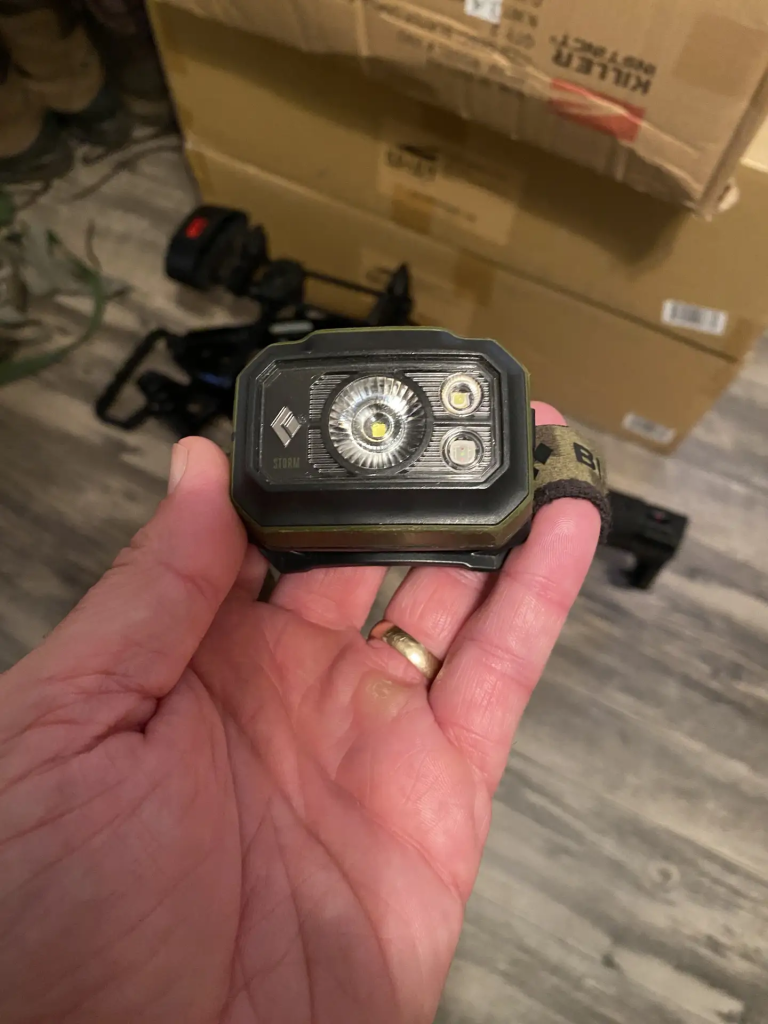
Ignoring your headlamp’s basic needs leads to a cascade of frustrations. A dirty lens can cut your effective beam distance in half, turning your brightest setting into a murky glow. Corroded battery contacts are the most common cause of sudden “death,” even in rechargeable models. A stiff, unlubricated adjustment hinge can snap at the worst possible moment.
Proper maintenance ensures:
- Reliability: It works every single time you switch it on.
- Performance: It delivers the full lumen output and runtime you paid for.
- Longevity: You avoid the cycle of buying a new headlamp every couple of seasons.
- Safety: A dependable light is a critical safety tool on the trail or worksite.
Chapter 1: The Heart of the Matter – Battery Care & Charging
This is where 80% of headlamp problems begin. Whether your model uses a built-in rechargeable battery or standard cells, treat its power source with respect.
For Rechargeable Headlamps (The Modern Standard)
The great thing about USB-rechargeable headlamps is simplicity. The potential pitfall is charging complacency.
- The Golden Rule: Avoid the “Deep Drain.” Don’t run your headlamp until it completely dies. Lithium-ion batteries (found in most rechargeable models like our High Lumen Rechargeable Waterproof Headlamp) prefer partial discharges. Try to recharge when the light noticeably dims or starts flashing a low-power warning.
- Storage Charge: Planning to store your headlamp for a month or more (e.g., after hunting season)? Don’t store it fully charged or fully empty. A charge level of around 50-60% is ideal for long-term battery health. Our With Motion Sensor and Long Battery Life Outdoor Headlamp, with its impressive 15-hour runtime, will thank you by being ready for your next spontaneous adventure.
- Use the Right Charger: A cheap, no-name USB block from the gas station can deliver unstable voltage. Stick with a quality charger from a reputable brand to protect your headlamp’s internal circuitry.
The Contact Point Tango
Whether for a charging port or battery compartment, cleanliness is next to godliness. Every few months, inspect the metal contact points. A tiny bit of corrosion (that white or green crusty stuff) or dirt can block the flow of electricity.
- The Fix: Power off and disconnect the headlamp. Use a dry, soft toothbrush or a cotton swab with a tiny drop of isopropyl alcohol to gently scrub the contacts. Let it dry completely before reconnecting or charging. This simple two-minute task can resurrect a seemingly dead light.
Chapter 2: Keeping It Clean—It’s More Than Just Cosmetic

Mud, sweat, sawdust, and sunscreen are the natural enemies of clarity and function. A clean headlamp is a happy headlamp.
Lens & Housing
That plastic lens is your window to the world. A layer of grime acts like a permanent filter.
- The Ritual: After any messy adventure—be it a muddy hiking trip or a dusty work project in the garage—give it a wipe. Use a soft, slightly damp microfiber cloth. For stubborn dirt, a drop of mild soap on the cloth works wonders. Never use abrasive cleaners, paper towels, or solvents like acetone, which can permanently cloud the lens.
- Pay Attention to Seals: For waterproof models like our High Lumen Rechargeable Waterproof Headlamp, gently clean around the lens seal and USB port cover. Ensuring these rubber gaskets are free of grit is key to maintaining their water-resistant integrity.
The Headband & Adjustment Points
Sweat and body oils break down elastic over time. Dirt in the hinge can grind away at the mechanism.
- Strap Care: Most elastic headbands are hand-washable. Use lukewarm water and a mild detergent, rinse thoroughly, and air dry. Avoid the dryer, as heat destroys elasticity.
- Hinge Lubrication: If the tilt mechanism becomes stiff, a tiny amount of silicone-based lubricant (not WD-40, which attracts more dirt) on the pivot point can restore smooth operation. Our Industrial LED Headlamp with Motion Sensor, built for tough environments, benefits greatly from this occasional care to keep its angle adjustments effortless.
Chapter 3: Smart Storage—Where Your Headlamp Lives Matters
Tossing your headlamp into the bottom of a junk drawer or a hot car glovebox is a slow-motion death sentence.
- The Enemies: Heat, prolonged moisture, and physical pressure. Heat accelerates battery degradation. Moisture invites corrosion. Constant pressure on the switch or lens can lead to premature failure.
- The Solution: A cool, dry place. A shelf in your gear closet is perfect. If possible, store it without the headband wrapped tightly around it to reduce constant stress on the elastic. For the Ultra Lightweight Running Headlamp, which might live in your gym bag, consider a small protective pouch to keep the lens from getting scratched by keys or other gear.
Chapter 4: Troubleshooting 101—Before You Declare It Dead
Your headlamp won’t turn on. Don’t panic (and don’t immediately buy a new flashlight). Run through this checklist.
- The Obvious Check: Is it charged? Do the batteries have juice? It sounds silly, but this is the culprit 90% of the time.
- The Contact Clean: As outlined above, clean the charging contacts or battery compartment terminals.
- The Switch Inspection: Dirt can get lodged in the switch. Try cycling the switch repeatedly. For a headlamp with a mechanical button, a tiny blast of compressed air can dislodge debris.
- The Reset: Some rechargeable headlamps have a soft-reset function. Check your manual. Sometimes, connecting it to a charger for a few minutes can reset the internal electronics.
If you’ve done all this and it’s still unresponsive, you might have a genuine failure. But you’d be amazed how often these steps bring a life back from the brink.
A Note on Built-to-Last Design: The Best Maintenance is a Good Foundation

Of course, the easiest headlamp to maintain is one that’s built to endure the neglect we all sometimes dish out. This is where choosing the right tool for the job from the start pays endless dividends.
For the professional or serious DIYer, a headlamp designed for work and maintenance environments inherently factors in durability. Take the Industrial LED Headlamp with Motion Sensor. Its shatter-resistant ABS housing isn’t just marketing speak; it’s a shield against the inevitable drops and bumps of a job site. The motion-sensor feature isn’t only cool—it’s pragmatic. By minimizing physical contact with a switch, you dramatically reduce the wear and tear on that mechanical part and keep grimy fingers from transferring dirt into the unit’s core. This is design thinking that directly reduces future maintenance headaches.
Similarly, choosing a waterproof model for camping, night riding, or cave exploration isn’t just about surviving a downpour; it’s about having a housing that can be thoroughly cleaned and is sealed against the dust and moisture that kill lesser lights.
Shine On: A Little Care for a Lot of Light
Your headlamp is a small piece of technology that grants you enormous freedom. It extends your day, keeps you safe, and lets you work and play on your own terms. Returning just a fraction of that value with some basic, mindful care is a no-brainer.
Treat it well—keep it clean, charge it wisely, and store it properly—and it will repay you with years of flawless, dependable service. It’s the difference between a disposable item and a trusted piece of your essential kit.