Headlamp vs. Flashlight: Why Hands-Free Light Wins for DIY & Work

You know the drill. You’re halfway through a brilliant DIY fix—the sink is disassembled, the engine part is removed, and the intricate wiring is exposed. Then, the shadows get long, and your trusty flashlight becomes your worst enemy. It rolls off the counter. Your phone light dies. You’re forced into a contortionist act, holding the light with your cheek and shoulder, trying to regain the delicate grip on a screwdriver. This isn’t just an annoyance; it’s a project killer. For anyone who fixes, builds, or tinkers, the single biggest upgrade isn’t a fancier tool—it’s choosing the headlamp.
The core problem with a traditional flashlight for work or maintenance isn’t the light itself; it’s the fundamental conflict it creates. The task requires two hands. The light demands one. You are instantly operating at a 50% deficit. This isn’t a minor inconvenience; it’s the direct cause of frustration, mistakes, and abandoned projects. Let’s break down why your old light is holding you back and how the right gear changes the game.
The Tyranny of the Third Hand: Three Ways Your Flashlight Fails You
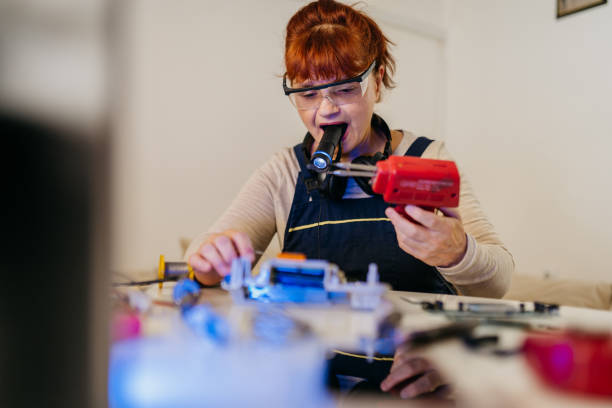
- The Stability Crisis: A beam of light is only useful if it’s pointed at the right spot. A handheld light wobbles with your tired arm, gets set down at a bad angle, or requires you to constantly reposition it. This moving target turns precise work into a guessing game, straining your eyes and your patience.
- The Contamination Conundrum: This is the classic scenario. Your hands are covered in grease, paint, dirt, or drywall dust. You need to adjust the light. Do you: A) Stop, clean your hands meticulously, adjust the light, and get dirty again? B) Smear grime all over your light’s button and housing? Neither is a good option. It breaks your flow and ruins your gear.
- The Drop Zone: Flat surfaces near a project are a myth. Your flashlight will inevitably roll, fall, or get knocked into the abyss under your workbench, often at the most critical moment. Every time you bend to retrieve it, you lose your train of thought and your momentum.
The Liberation of Hands-Free: Why a Headlamp is a Tool, Not an Accessory
Switching to a headlamp isn’t just about convenience; it’s about fundamentally changing your capability. Your light becomes an extension of your vision, not a separate tool you have to manage.
- Your Gaze is the Guide: Where you look, you see. Need light inside the electrical panel? Look at it. Need to see the back of the cabinet? Look there. The beam follows your line of sight instantly and intuitively. This natural alignment reduces eye strain and drastically improves accuracy.
- Two Hands on the Job: This is the superpower. With both hands free, you can hold a part steady while turning a wrench, apply sealant smoothly, or thread a needle-like wire connector. Your efficiency doesn’t just improve; it doubles. Projects get completed faster and with better results.
- Built for the Environment: A good headlamp for work is built to endure the realities of a workshop, garage, or jobsite. This means a durable housing that can survive a drop, a comfortable strap for long sessions, and often, a tilt function to aim the beam perfectly without moving your whole head.
The Game-Changer: When Smart Design Meets Dirty Hands
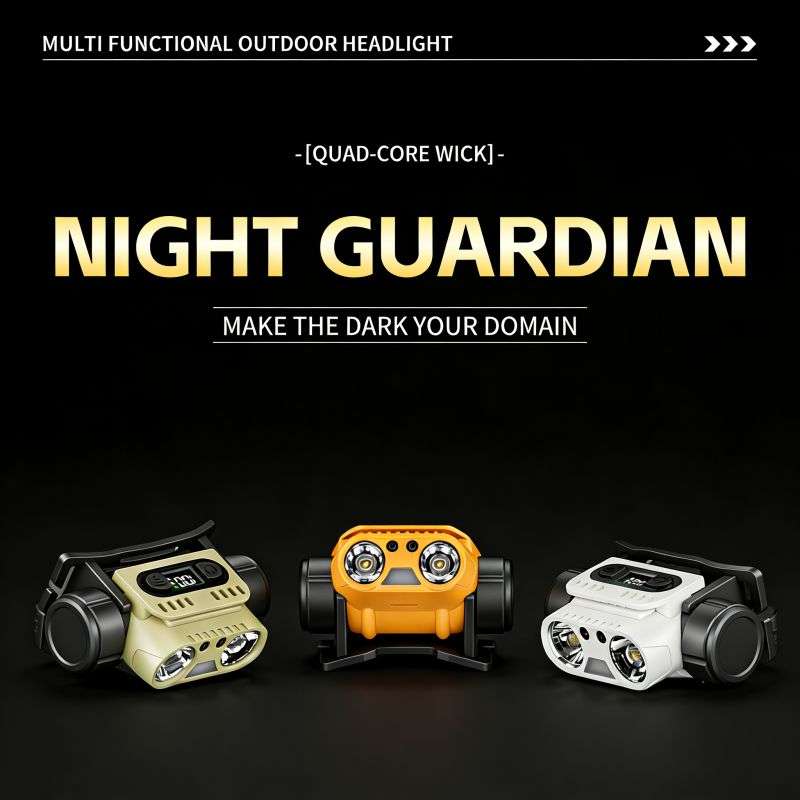
For the modern DIYer or professional, basic hands-free light is just the start. The real revolution comes from solving that “contamination conundrum” with intelligent design. This is where features move from being cool to being critical.
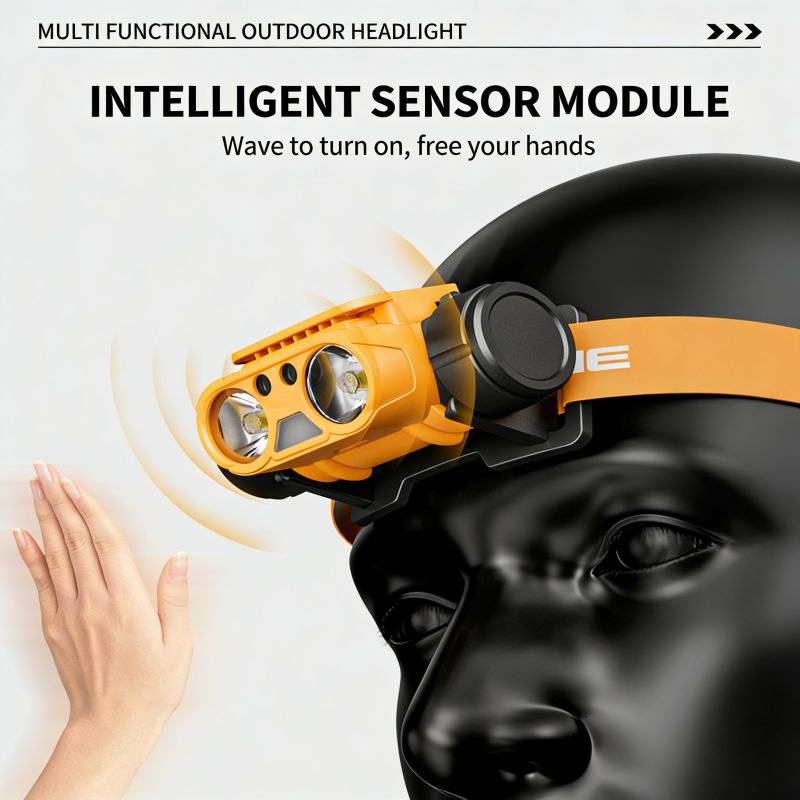
Imagine you’re under your car, arms deep, and you need to turn your light off to check something with natural light or need a different brightness. The old way means grabbing your head to find a button with oily fingers. The new way? You simply wave your hand in front of the light.
A headlamp equipped with a motion sensor eliminates the last point of friction between you and your task. It’s the ultimate expression of hands-free operation. The Industrial LED Headlamp with Motion Sensor is built specifically for this eureka moment. Its core promise isn’t just brightness; it’s “smart convenience.” The ability to control your light with a gesture when your hands are full, dirty, or holding something delicate is transformative. It keeps you in the zone. The “shatter-resistant housing and non-slip headband” ensure this smart tool is also a tough one, ready for the demanding environments of “repair work, construction sites, [and] automotive maintenance.”
Beyond the Garage: The Ripple Effect of a Reliable Light
The utility of a capable headlamp spills over into every corner of life. That same light that saved your car repair becomes indispensable for:
- Home Inspections: Peering into the dark attic or crawlspace with both hands free to test beams or check for leaks.
- Power Outages: Navigating safely, managing the circuit breaker, or setting up emergency supplies without juggling a light.
- Nighttime Tasks: From taking out the trash to locking up a shed, having a reliable beam on tap makes simple chores safer and easier.
- Outdoor Prep: Even if you’re not a hardcore adventurer, a headlamp is perfect for setting up a tent in the fading light, grilling dinner after sunset, or fixing a bike at the trailhead.
FAQ: Shedding Light on Common Questions
Q: Isn’t a motion sensor just a gimmick?
A: For casual use, maybe. For any serious work or maintenance where your hands get dirty or wet or are holding tools/parts, it’s a legitimate game-changer. It preserves the cleanliness of your light and your workflow.
Q: How long does the battery really last on a work-grade headlamp?
A: It varies, but look for models that provide clear runtime estimates on medium settings. A rechargeable model with a solid 6-10 hours of usable light is often more than enough for a full day of projects. The convenience of USB charging means you can top it up easily between uses.
Q: Are these durable enough for a professional construction site?
A: Look for specific terms like “industrial-grade,” “shatter-resistant,” and high IP ratings for dust and water resistance. A proper work headlamp is a tool, not a toy, and is built to withstand drops, debris, and the rigors of daily professional use.
See Your Work in a New Light
The right tool doesn’t just make a job easier; it makes it possible to do it well. Struggling with a flashlight isn’t a rite of passage; it’s an unnecessary obstacle. By equipping yourself with a true hands-free headlamp—especially one designed with the smart features to keep up with real-world mess—you’re not just buying a light. You’re investing in focus, precision, and the sheer satisfaction of seeing a project through to the end without a literal shadow of doubt.
Stop wrestling with your light and start commanding it. Your next project deserves your full attention and both your hands. Get the right light for the job. Explore our industrial-grade headlamp designed for pros and serious DIYers.