Night Hiking Essentials: How the Right Headlamp Transforms After-Dark Trails

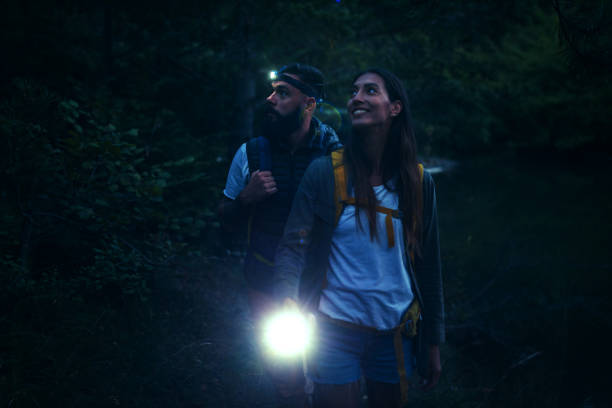
You’ve checked the weather and packed your water, snacks, and that extra layer you might need. Trail map? Downloaded. Boots laced. Everything seems ready. But then… a quiet thought creeps in: Am I really ready for the dark? Night hiking isn’t just daytime trekking under dim light—it’s a whole different game. The world shrinks into the circle of your vision, familiar sounds suddenly feel mysterious, and even a small mistake can have bigger consequences. Many hikers step into the night with good intentions, yet overlook one crucial detail: the headlamp. Too often treated as an afterthought, it’s actually the linchpin of safe, confident night adventures.
This isn’t about fear—it’s about empowerment. With the right headlamp and mindset, night hiking can be magical: serene, refreshing, and unexpectedly beautiful. Let’s unpack your “Night Toolkit,” so your next twilight trek becomes a journey of wonder, not worry.
The Core Component: Rethinking Your Headlamp
Forget the idea of a cheap, one-button light from the store. Your headlamp is your primary navigation tool—it needs to be dependable, versatile, and intuitive.
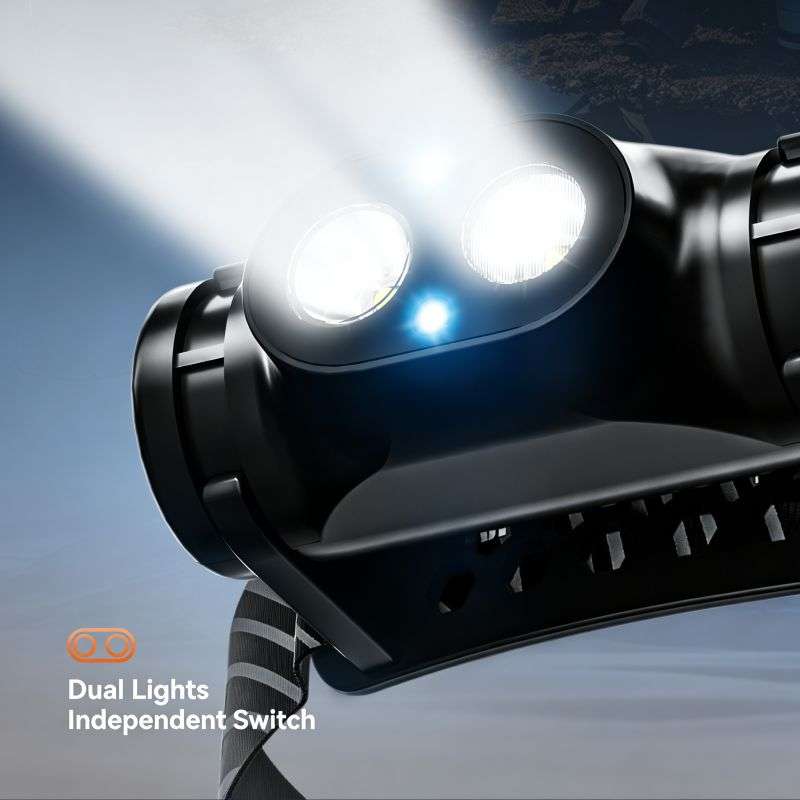
Brightness alone isn’t enough. On twisty forest paths, you want a wide flood beam to spot roots and rocks in your peripheral vision. Pausing to check a trail marker or admire a distant ridge? You need a focused spot beam. Weather changes? Waterproofing matters. Hands full with setting up camp or adjusting gear? You want controls that respond without fumbling.
This is why choosing a headlamp designed for the experience, not just lumens, is key. Take a headlamp like the With Motion Sensor and Long Battery Life Outdoor Headlamp—it’s built to keep you moving hands-free. Its motion sensor is brilliant: wave your hand to activate the light while your fingers are cold or gloved. With up to 15 hours of continuous use, it solves the nagging worry of running out of power mid-hike. The right tool makes interacting with the night effortless.
The Support System: What Else Belongs in Your Night Pack
Your headlamp is the star—but even stars need support.
- Red Light Advantage: If your headlamp has a red mode, use it. Red light preserves night vision far better than white, making map reading or camp chores easier. It’s also gentler on companions’ eyes and less likely to attract insects.
- Power, Not Panic: Rechargeable is ideal, but don’t stop there. A small USB power bank is cheap insurance for both your headlamp and phone.
- Backup Light: Essential for serious night hiking or caving. A tiny keychain LED or compact handheld flashlight stored elsewhere in your pack can save a trip if your primary light fails.
- Know Before You Go: Pre-hike research is critical. Study the trail on a map in daylight, and note landmarks, junctions, and tricky spots. Something obvious at 2 PM can be confusing at 8 PM.
Mindset Shift: The Skills of Night Hiking
Gear alone isn’t enough—night hiking demands patience, awareness, and a slower pace.
- Slow Down: Embrace a reduced pace. This isn’t about mileage—it’s about experience. Move at a speed that allows you to clearly see your footing and surroundings.
- Listen Actively: With less visual input, your hearing becomes crucial. Water trickling nearby confirms your path. Silence might indicate a wrong turn.
- Scan, Don’t Stare: Avoid locking your gaze and beam only on your feet. Develop a scanning routine: near ground for footing, mid-range for trail direction, and occasional long-range checks for markers. This reduces tunnel vision and keeps you oriented.
FAQ: Night Hiking Essentials
Q: How bright should my headlamp be?
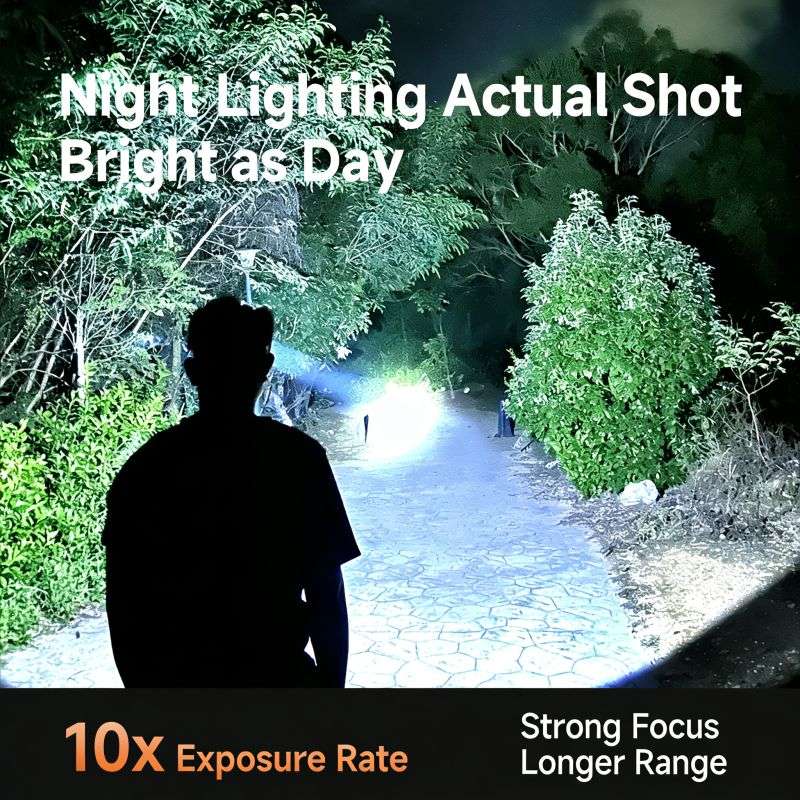
A: Medium settings (150–300 lumens) are ideal for most trails—enough to see 10–15 feet ahead. Maximum brightness is for short checks or emergencies and drains the battery quickly. Beam quality matters more than raw lumens.
Q: Is solo night hiking safe?
A: It raises risk and isn’t beginner-friendly. If you go alone, file a detailed plan with someone, stick to familiar trails, and carry multiple backup lights and communication tools. Most enjoy night hiking best with at least one companion.
Q: Are wild animals more active at night? Should I worry?
A: Many animals are crepuscular. Normal hiking noise usually gives them time to avoid you. A headlamp can reveal eye-shine, adding to the adventure. Know local wildlife and practice safe food storage.
Embrace the Quiet World
With a smart, reliable headlamp and a thoughtful approach, night hiking becomes accessible, not extreme. Trails quiet down, stars shine brighter, and the familiar transforms into something intimate and magical.
It’s not just walking in darkness—it’s illuminating your journey, step by step. The right gear doesn’t just light the trail; it lights your confidence.
Ready to conquer the night with confidence? Start with a headlamp designed for seamless, hands-free exploration.