The Unseen Running Partner: How a Headlamp Unlocks a Secret World

Think about your last run. The route, the rhythm, the playlist. Now, imagine that same route bathed in moonlight, the air cooler, and the world quieter. For many runners, the setting sun signals the end of their training window. But what if it’s not an ending but a doorway? The single piece of gear that holds this key isn’t a fancy shoe or a high-tech watch—it’s a headlamp.
Strapped to your forehead, it’s more than a light source; it’s a passport to a transformed running experience. It’s the difference between being a fair-weather athlete and a dedicated one, between fearing the dark and embracing its unique gifts. Let’s explore why strapping on a light is the most liberating upgrade a runner can make.
Beyond Safety: Reclaiming Your Time and Sanity
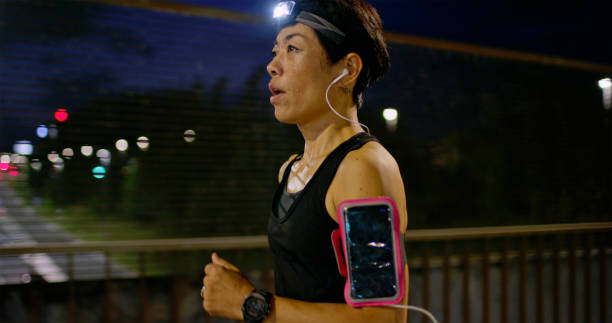
Let’s state the obvious first: a headlamp makes night running or pre-dawn jogging safe. It lets cars see you and lets you see the path, the potholes, and the curious raccoon watching from the bushes. But safety is just the baseline benefit—the permission slip. The real magic happens in what that safety enables.
For parents, shift workers, or anyone with a packed schedule, daylight is a luxury. A good headlamp shatters the tyranny of the sun. Your run is no longer squeezed into a narrow window. It can happen at 5 AM before the house wakes or at 9 PM after the kids are asleep. This isn’t just convenient; it’s transformative for consistency. Missed workouts due to “not enough time” evaporate. Your running life becomes resilient.
A Sensory Shift: The Quiet Joy of Night Running
Running with a headlamp is a fundamentally different sensory experience. The visual field narrows to the pool of your beam, which oddly heightens your other senses. Your hearing sharpens—you notice the rustle of leaves, your own steady breath, and the distant hum of the city. The cooler air feels cleaner. There’s a peaceful, almost meditative quality to moving through a sleeping world. The mental chatter of the day fades, replaced by a rhythmic focus on body and breath.
It’s also profoundly empowering. There’s a quiet confidence that comes from being self-sufficient in the dark. You’re not just exercising; you’re on a small, personal expedition. This psychological boost is a hidden benefit that daytime running rarely provides.
The Gear That Gets Out of the Way: What Makes a Running Headlamp “Good”
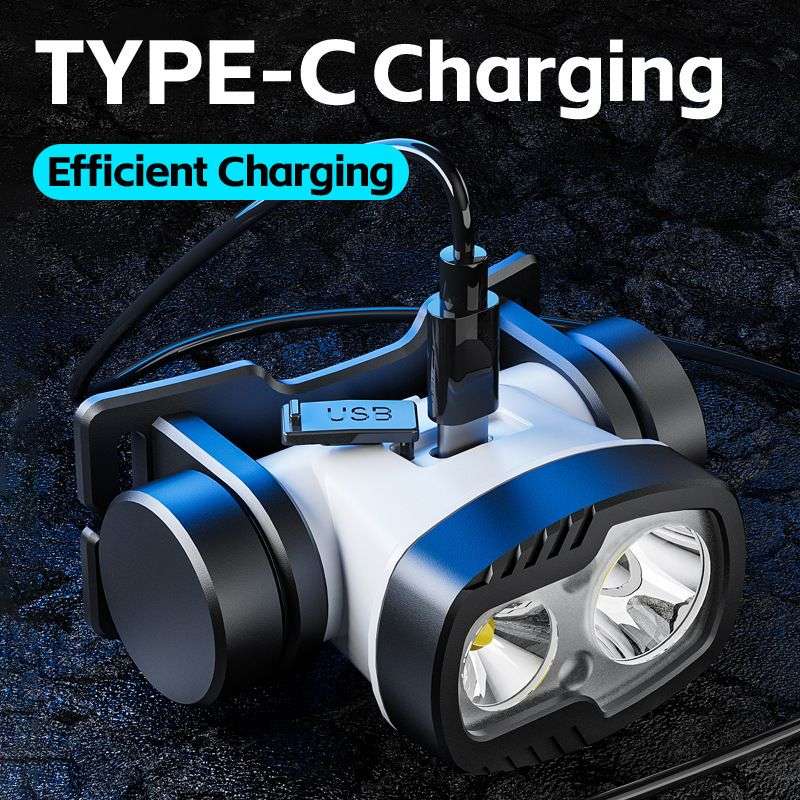
Not all headlamps are created equal for running. A heavy, bobbing light with a clumsy strap is worse than no light at all—it’s a distraction and a nuisance. The ideal running headlamp has one primary goal: to disappear.
This means zero bounce. The ergonomics of the strap are as important as the LED itself. It needs to sit securely, distributing weight evenly, so you forget it’s there after the first mile. It needs to be rechargeable—no runner wants to deal with buying and disposing of batteries. It should be sweat-resistant and offer a beam pattern designed for motion: wide enough to illuminate the path and your periphery without creating disorienting shadows.
This is the philosophy behind a purpose-built light like the Ultra Lightweight Running Headlamp. Its entire design screams “unobtrusive.” The “feather-light” build and “ergonomic strap that ensures zero bounce” directly target the runner’s core complaints. It’s not trying to be the brightest light for cave exploration; it’s engineered to deliver “consistent, bright illumination” specifically for the dynamics of a moving body. When your gear stops being something you manage and starts being something you trust, that’s when it truly enhances the activity.
From Solo Ritual to Social Connection
While night running can be a cherished solo practice, a headlamp also unlocks social opportunities. Group runs after work become possible year-round. There’s a unique camaraderie in a string of bobbing lights winding through a park, a shared secret mission under the stars. It turns running into a more accessible, all-weather social activity.
Furthermore, it opens up new terrain. Familiar trails look and feel different at night, offering a novel challenge. That gentle 5-mile loop you know by heart becomes a fresh adventure, demanding more attention and rewarding you with a completely different atmosphere.
FAQ: Your Night Run Questions, Answered
Q: Won’t a headlamp bother other people on the path or road?
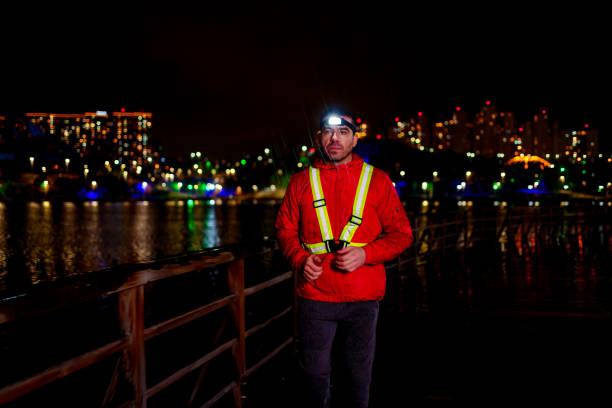
A: Good etiquette is key. When approaching other pedestrians, cyclists, or cars, briefly tilt your head down to point the beam at the ground in front of you to avoid blinding them. It’s the night-running equivalent of a friendly nod.
Q: How do I deal with cars? Is just a headlamp enough?
A: A headlamp is crucial for you to see, but you should always supplement it with reflective gear or a blinking LED armband/vest so drivers can see you from all angles. Be extra cautious at intersections and assume drivers do not see you.
Q: What about wildlife?
A: In most urban and suburban settings, your presence and light will scare off small animals. In more remote areas, educate yourself on local wildlife. Your light will often catch eye-shine, which is usually just a curious deer or fox. Make normal noise as you run, and they’ll typically avoid you.
Step Into the Light By Turning Everything Else Dark
Investing in a proper running headlamp isn’t just buying a piece of equipment. It’s investing in freedom, consistency, and a richer athletic experience. It breaks the constraints of the clock and introduces you to a quieter, more focused version of your sport.
It turns “I can’t run; it’s dark” into “My favorite time to run is now.” So, lace up, strap on a light that stays put, and discover the secret world that exists just beyond the reach of the streetlights. Your next best run is waiting for you in the dark.
Ready to transform your running schedule? Find the headlamp designed to move with you, not against you.