Beyond Batteries: The Future of Headlamp Design is Repair, Not Replace

Every year, millions of tons of electronic waste are generated globally, including the forgotten gadgets left in drawers or tossed directly into trash bins.
As an outdoor enthusiast, I once comforted myself believing that compared to other consumer electronics, our gear—like a headlamp—was durable and environmentally friendly enough. Until I opened my “gear graveyard” drawer at home, revealing three retired headlamps for different reasons: one with corroded battery contacts, one with a completely broken headband, and one where the main LED had significantly dimmed.
The core circuits and housings were largely intact, yet a single irreplaceable component had rendered them waste.
At that moment, I realized that in outdoor sustainability discussions, we often focus on “Leave No Trace”—what we bring in and take out—but rarely on “What do we leave behind?”
When a headlamp’s end-of-life inevitably leads to the trash, no matter how recyclable its materials, its design is still a product of a linear economy: acquire, manufacture, use, discard.
True sustainability might point to a deeper question: is the most environmentally friendly headlamp the one that never needs to be fully discarded? Could future designs shift from “easy to replace” to “delightful to repair”?
The Deadlock of Traditional Design: When Minor Faults Condemn the Whole
Consider a typical headlamp’s common “causes of death” and why users are often powerless:
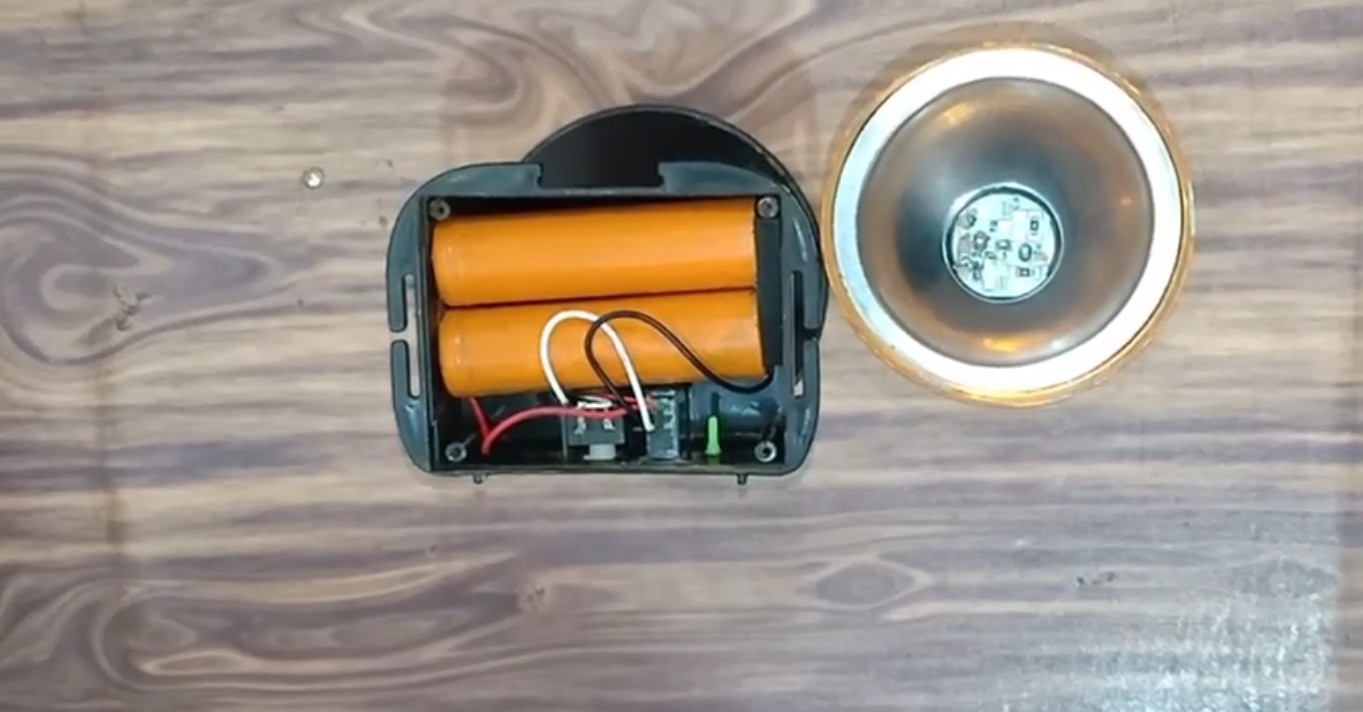
- Battery wears out: the most common failure. Integrated rechargeable batteries lose significant capacity after hundreds of cycles. In traditional designs, batteries are sealed, preventing safe replacement. A headlamp otherwise fully functional becomes obsolete simply due to reduced runtime.
- Critical component wear: Headbands, switch buttons, and USB port covers. High-frequency “consumables.” If broken and not modular, the entire headlamp fails.
- Optical core aging: LEDs may last tens of thousands of hours, but efficiency gradually declines. Dropping the lamp can crack the lens. If the LED module is non-replaceable, the core function ends.
- Circuit damage: Though less common, water ingress or short circuits can damage control boards. In highly integrated designs, this is equivalent to a death sentence.
Most failures occur locally, yet traditional one-piece designs turn these into irreversible disposal. This wastes resources and forces users to buy replacements, bearing both economic and environmental costs.
Modular Design: A Blueprint for a Second Life
If “recyclable” is end-of-life care, modular design is a revolutionary starting point. It allows the headlamp to be disassembled into functional modules: power module, lighting core module, control module, and headband system. Each module can be independently removed, replaced, or upgraded.
Imagine this scenario:
- After three years, your headlamp’s battery lasts only half as long. Instead of buying a new lamp, you order a compliant battery module from the brand and replace it in five minutes using the included tools. It’s reborn.
- The headband becomes fragile after prolonged sun and sweat exposure. You remove the old one and install a new, possibly more breathable, recyclable headband.
- Advanced LED technology emerges. You upgrade only the lighting core module, not the entire system.
Modularity’s charm extends beyond repair convenience. It fundamentally reshapes the user-product relationship:
- Build long-term trust: Brands providing extended accessory support create emotional bonds beyond a single transaction. Users know their investment is protected.
- Drive innovation and personalization: Brands can release new modules (filters, LED colors), evolving the user’s old “main unit” for new adventures.
- Simplify recycling: Different module materials (metal, plastic, battery) can be professionally separated and recycled, improving material purity and recovery rates.
Durability: The Foundation of All Sustainable Design
Before dreaming of a modular future, we must acknowledge a fundamental principle: exceptional durability is itself the most effective sustainability strategy. A robust product enduring harsh conditions for years leaves a smaller environmental footprint than a frequently replaced, “disposable” design.
This requires implementing long-life principles in every design detail:
- Material selection: Housings use high-strength, weather-resistant engineering plastics (e.g., ABS) instead of brittle, cheap materials. Shockproof shells protect core structures from impacts, extending lifespan.
- Structural design: Joints, buttons, and interfaces need reinforcement. Adjustable mechanisms must remain firm and wear-resistant after years of use.
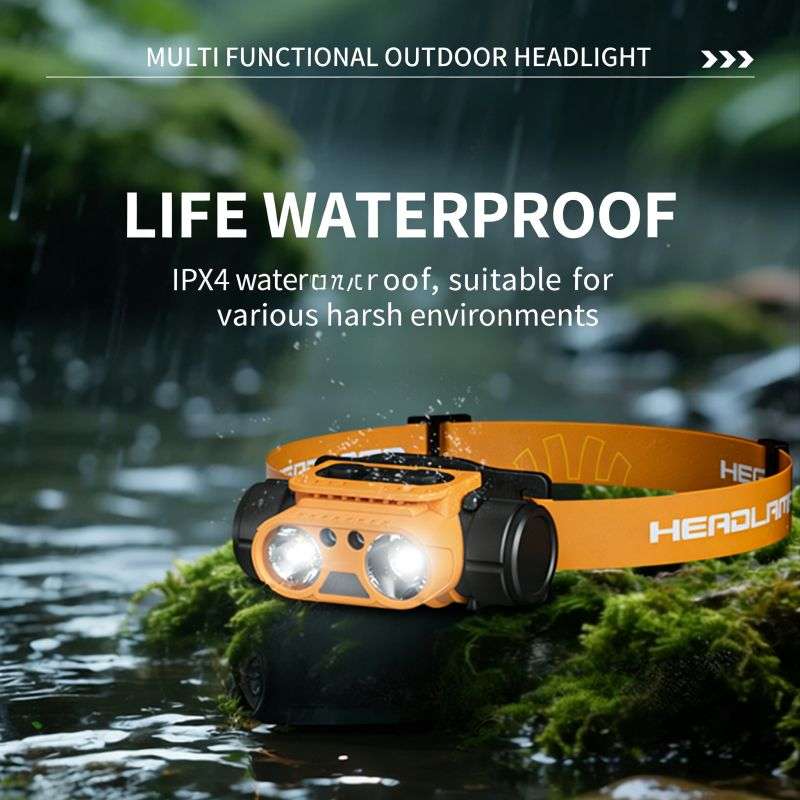
- Protection rating: Adequate water and dust resistance (e.g., IPX ratings) prevents premature circuit failure.
These “traditional” durability measures are the physical basis for advanced sustainable concepts like modularity and reparability. A fragile product cannot meaningfully benefit from modular design.
Current Practices: Extending Lifespan Within Existing Frameworks
Though full modularity is still experimental, leading brands already maximize lifespan within current designs.
For instance, industrial-grade LED headlamps built for high-intensity work environments demonstrate “long-life design.” Their shock-resistant shells prevent breakage from impacts, reducing premature disposal.
Durable, anti-aging adjustable lamp heads and non-slip headbands maintain stable, comfortable performance after countless adjustments. Users avoid replacing the entire product due to loose bands or faulty joints.
This approach conveys a principle: the product should endure harsh environments, not force the user to compromise. When a headlamp accompanies a technician from apprentice to expert or an outdoor enthusiast through decades of adventures, the resources saved and trust gained exemplify sustainability.
Sustainability Myths and Future Outlook
|
Question |
Answer |
|
Does modular design make products heavier, more complex, or prone to water ingress? | Common concern, yet excellent industrial design can overcome it. Extra interfaces/seals add weight and complexity, but clever solutions (magnetic coupling, twist-lock waterproof ports, and shared housing) minimize negatives. A slight weight/cost increase is often worth the lifecycle resource savings and user value. It tests brand design and engineering prowess. |
|
As a consumer, besides buying more expensive products, what can I do for a “circular economy”? |
You hold the most important power: choice and voice.
|
We love the outdoors because we respect nature’s persistence and cycles. Our gear philosophy should resonate with this. A headlamp’s value shouldn’t peak when unboxed, nor end when it stops glowing.
The true light of the future may not be the brightest but the one lasting the longest. It embodies a humble yet ambitious design ideal: create tools users are willing and able to use long-term. When repair becomes feasible, even enjoyable, discarding is no longer the default.
It’s more than a technical evolution; it’s a cultural shift. Choosing a durable headlamp designed for longevity lights a commitment to resources, craftsmanship, and future adventures. This beam illuminates the path ahead and a more sustainable tomorrow.