Headlamp Etiquette: How Not to Be “That Annoying Glow” at Campsites and Trails

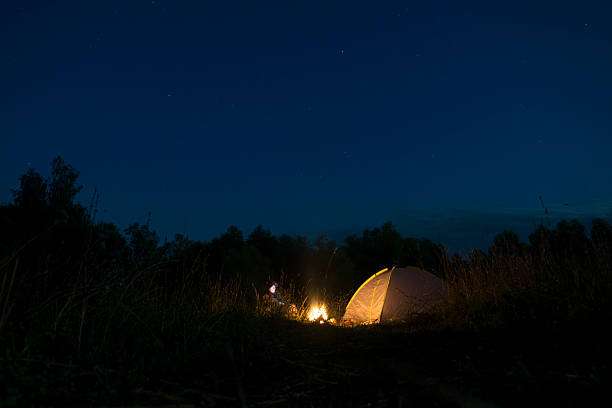
We’ve all experienced it: in a quiet campsite, ready to enjoy the stars, when a tent across suddenly beams a light comparable to a searchlight, shining directly in your eyes.
On a dark hiking trail, a teammate’s headlamp thoughtlessly illuminates your heels, making you feel interrogated.
Or during collective quiet waiting for sunrise, someone abruptly turns on a harsh white light, destroying everyone’s carefully adapted night vision.
If you’ve silently complained about these behaviors, congratulations—you already have basic “light IQ.”
If you’re unsure whether you’ve ever been that “glowing nuisance,” this article is for you.
Using a headlamp correctly is far more than pressing a switch.
It involves safety, respect, and how we collectively enjoy the outdoors.
That light strapped to your forehead can illuminate your path—or inadvertently become a source of “light pollution” that ruins others’ experience.
Let’s explore how to become a well-loved headlamp user, rather than someone who makes everyone squint.
Four Common Headlamp Mistakes That Annoy Others
Before mastering your light, recognize the most common annoying behaviors.
Check yourself honestly:
Mistake 1: Campsite “Spotlight” Mode
This is the number one offense.
You crank your headlamp to maximum brightness, sweeping the campsite like a lighthouse.
Maybe you just want to find a snack, but for others, it’s an unexpected flashbang attack.
The strong light instantly destroys their night vision, painstakingly adapted over minutes, and shatters the campsite’s calm atmosphere, turning their tent interior into your “projection screen.”
Mistake 2: Trail “High Beam” Syndrome
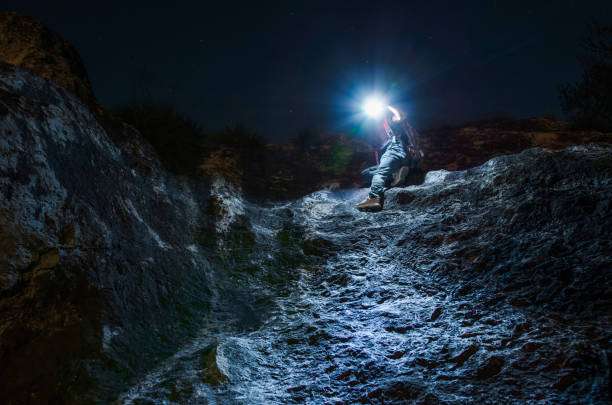
On narrow single-track trails, your headlamp’s focused beam shines directly on teammates’ backs or heads.
This is extremely rude, makes them feel watched, and can create safety hazards.
Likewise, meeting oncoming hikers or runners with a direct beam can instantly blind them, which is very dangerous on uneven terrain.
Mistake 3: Ignoring Red Light Mode
Your headlamp has a red light function, but you never use it.
In situations requiring collective dark adaptation—stargazing, photographing star trails, chatting in a circle, or quietly observing wildlife—insisting on white light is like playing loud music in a library.
White light attracts insects, disturbs others, and deprives you of the gentle experience of darkness.
Mistake 4: Overconfident Lamp Angle
A loose headband or habitually pointing the lamp too high causes the beam to miss your path and shine horizontally or upward.
You illuminate flying insects and treetops instead of roots and rocks, and anyone at your eye level or below is directly “hit” by your headlamp.
Become a Polite “Glower”: Outdoor Light Etiquette Guide
Understanding mistakes makes correction easy.
Master these key tips, and you’ll upgrade from a “light polluter” to a polite, considerate headlamp user.
Tip 1: Situationally Intelligent Brightness and Beam Switching
Think of your headlamp like car headlights: low beam, high beam, and fog lights.
In campsite communal areas, always use the lowest necessary brightness.
Dim the lamp or switch to flood mode to softly illuminate a small area around you, enough to organize gear or cook.
When checking distance or locating paths, briefly use high-brightness spot mode, deliberately avoiding tents and resting areas.
During face-to-face conversations, a simple etiquette is to lower your head or gently shield the beam with your hand to avoid shining in someone’s eyes.
Tip 2: Embrace the Gentle Power of Red Light
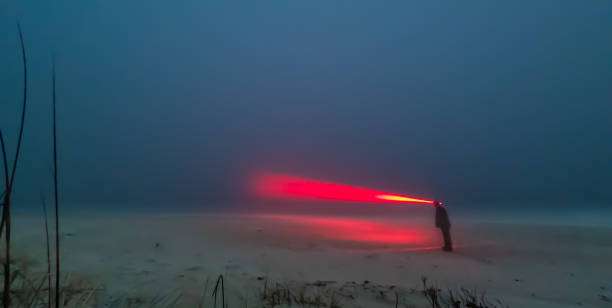
Red light is your best friend at night.
Its primary value is protecting night vision—rod cells are less sensitive to red, allowing your eyes to quickly readapt to darkness after turning off the light.
Red light also reduces insect attraction, sparing you a “face attack.”
Reading, getting water, or searching inside a tent with red light provides sufficient illumination without disturbing sleeping companions or turning your tent into a lantern.
During stargazing or nighttime rest, always switch to red light as a basic courtesy.
Tip 3: Master the Perfect Beam Angle
The golden rule: illuminate the ground 1–3 meters ahead.
After putting on the headlamp, do a “chin shadow test”:
- Look down at your chest and feet.
- Adjust the lamp until the beam center falls at the correct distance.
- Ensure your chin does not cast heavy, moving shadows.
A stable, precisely adjustable headlamp is key.
Ensure a snug headband so the lamp angle doesn’t shift while walking.
Tip 4: Learn the Art of “Turning Off”
Experienced outdoor enthusiasts know sometimes the best light is no light.
On moonlit nights, turn off your headlamp to fully adapt your eyes.
You’ll notice unique visuals under moonlight, heightened hearing, and sharper other senses.
This respects wildlife and fellow outdoor enthusiasts.
Within safety limits, allow darkness to envelop you—you’ll gain more from the environment.
Choosing a “Polite” Lighting Companion
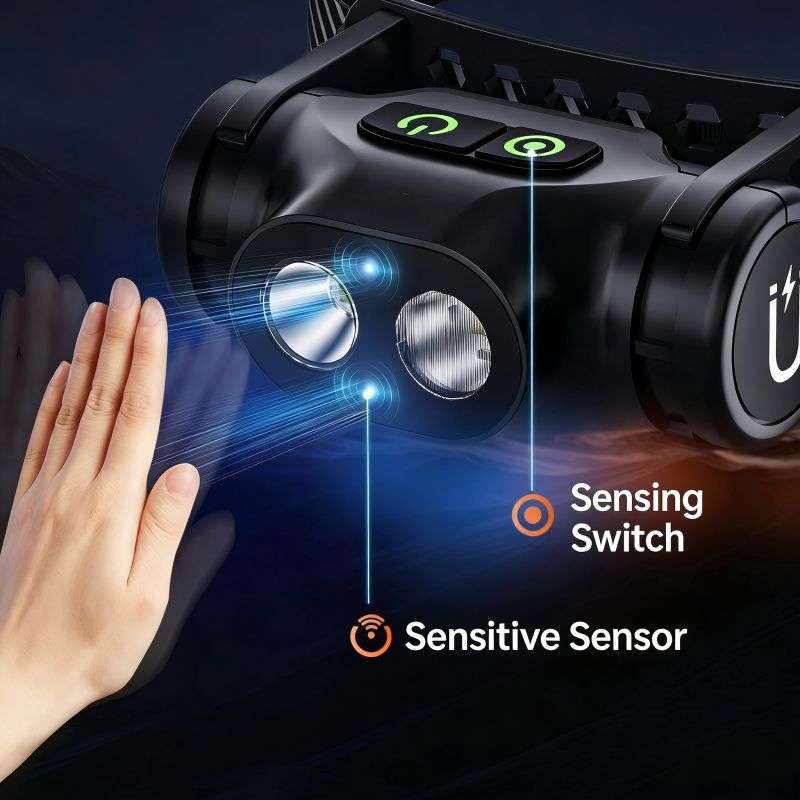
With the right mindset, a thoughtfully designed headlamp makes etiquette effortless.
Thoughtful design is etiquette built-in.
A user-focused outdoor headlamp integrates:
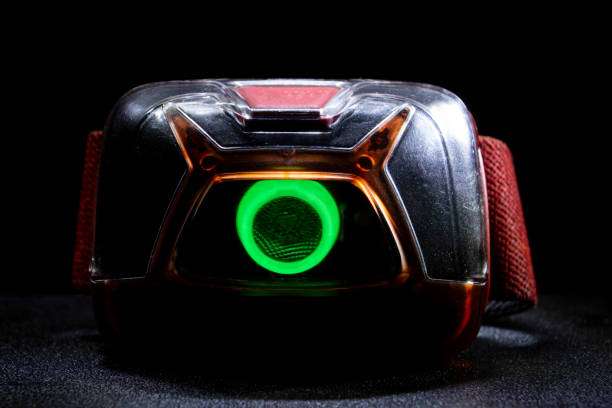
- Multi-level adjustable white light and independent red light modes for effortless switching between “task light” and “courtesy light.”
- Smart features, like sensor switches, enhance your light IQ. Wave your hand to activate the light quietly, using low or red light, and wave again to turn it off—silent, precise, elegant.
- Lightweight design (e.g., ~60 g) and long battery life (up to 15 hours) give you confidence to use appropriate low brightness without hesitation. Comfort encourages prolonged wear and precise adjustments according to the environment, instead of rushing use due to inconvenience.
Common Questions About Light and Courtesy
|
Question |
Answer |
|
Why does red light disturb wildlife less than white light? |
Many nocturnal mammals are colorblind, seeing primarily black and white but sensitive to light intensity and movement. Strong white light signals abnormality and potential threat, prompting escape or behavior change. Red light’s longer wavelength appears dimmer and more natural, reducing intrusion. It also decreases insect attraction, indirectly minimizing disturbance to insectivorous animals. |
|
Is wearing a headlamp on the hat brim more courteous than on the head? | It depends. Brim placement often scores higher in courtesy: the light is further from the eyes, reducing direct glare forward, and the brim blocks some upward scatter. However, for technical hikes requiring frequent head movement, wearing it on the head ensures the beam follows your line of sight. In either case, control angle and brightness carefully. |
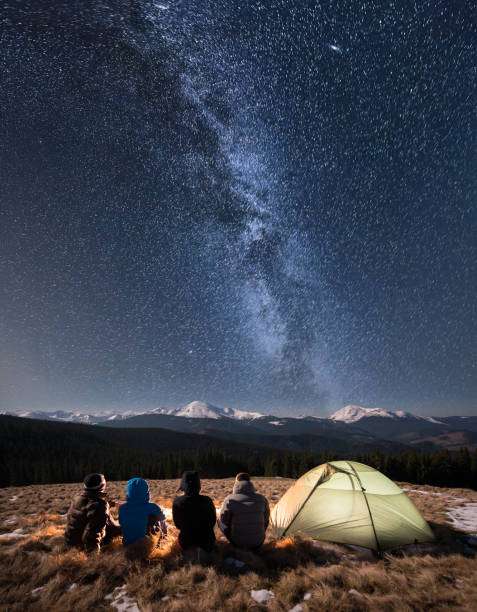
Ultimately, headlamp etiquette comes down to situational awareness and empathy.
Always be conscious that your beam is shared with the environment.
By adjusting the angle, using soft red light, and dimming for collective stargazing, you not only avoid disturbing others—you demonstrate appreciation for the shared wilderness and respect for everyone’s unique experience.
The light on your forehead thus transcends mere utility, becoming a beacon of outdoor literacy and communal awareness.
Tonight, when you strap on your headlamp again, start by intentionally adjusting your beam angle.
You’ll discover that there’s always a warmer, smarter way to illuminate the world.